
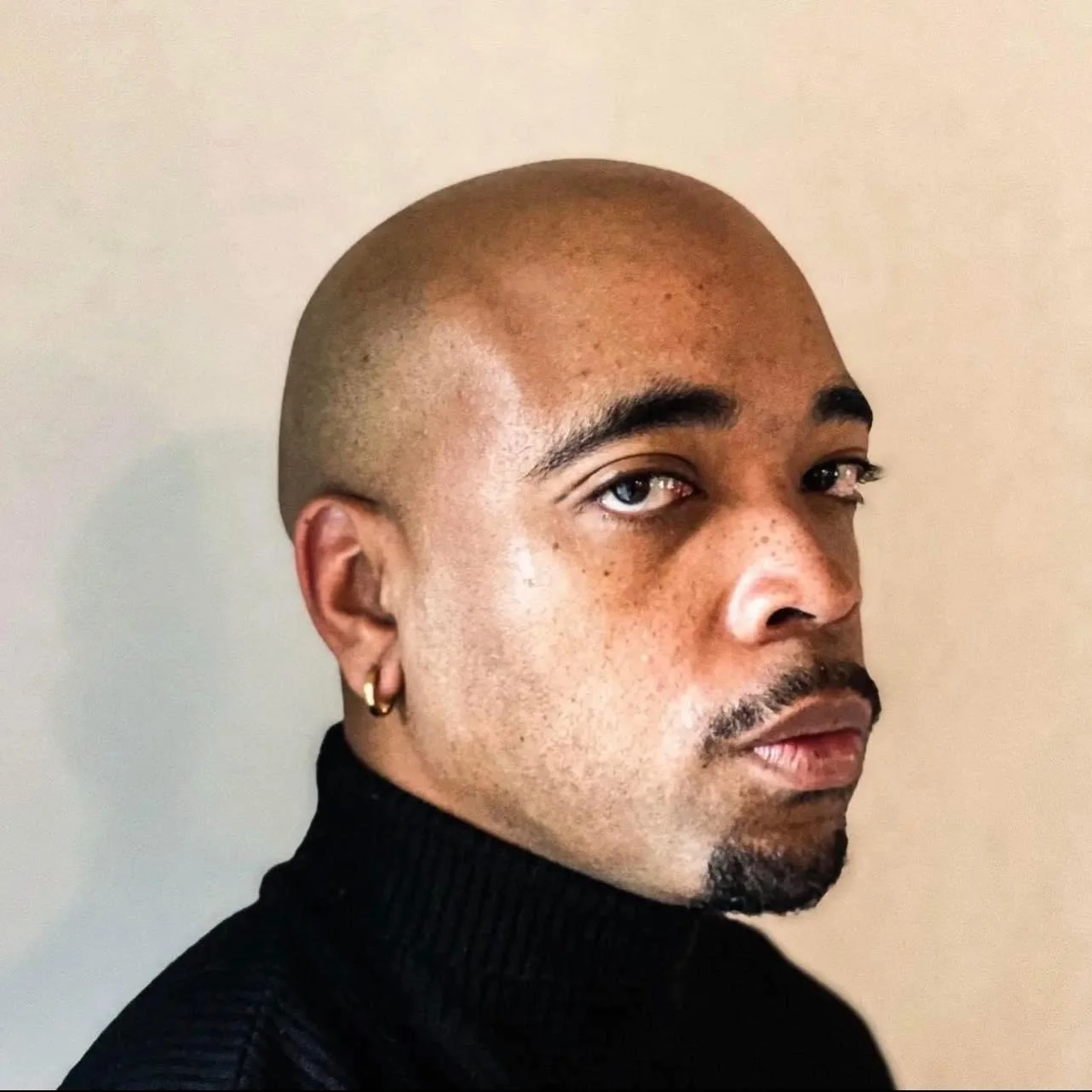
James Howard Hill, Jr. is a theorist, writer, and teacher of religion, culture, and the hauntings that shape U.S. American life. An Assistant Professor of Religion at Boston University, his work theorizes secularism as a racial technology of governance, drawing on Black expressive culture, civil religion, and popular culture alongside broader questions of power, memory, and meaning as ground for rigorous critical thought.
His debut book, The Haunted Fantastic (Fortress Press), diverges from traditional memoirs steeped in the heroic genius trope, scrambling the boundaries of life stories written by scholars of religion. Braiding spiritual autobiography with an autotheory of religion, Hill invites readers to witness the childhood traumas and life crises that inform his work as a Black man teaching and writing about religion in the academy, and navigating ongoing personal healing in a dehumanizing world. Echoing the Black church tradition of testimony, the book offers an embodied understanding of the fantastic, a concept central to Hill's reclamation of religious language, orientation, and power, and a model for transgressing formal religion's inclination toward ways that are too often ordered, bordered, and policeable.
His second book, The Michael Jackson Cacophony (University of Chicago Press), examines how the discourse surrounding Michael Jackson, from his emergence in the 1960s to the end of the 1980s, does not merely describe Jackson but is invested in producing the very conditions of possibility through which he became thinkable as a cultural icon in the United States. Perhaps more importantly, it considers how, through Jackson, the United States was actively producing and policing the discourse about itself in the post-civil rights era.
A third book, The Weariness of Well-Doing (Orbis Press), turns toward the exhaustion and endurance of doing good within a world that, while an enduring receptacle for all manner of injustices, remains always vulnerable to rearticulation.
Raised in Central and North Texas, Hill brings to his writing an attentiveness to home, sound, and the ordinary textures of life, informed as much by his father's documentary filmmaking and his mother's voice as by any seminar room.
He lives in Massachusetts with his wife and two children, and is a devoted student of music, photography, poetry, and life.
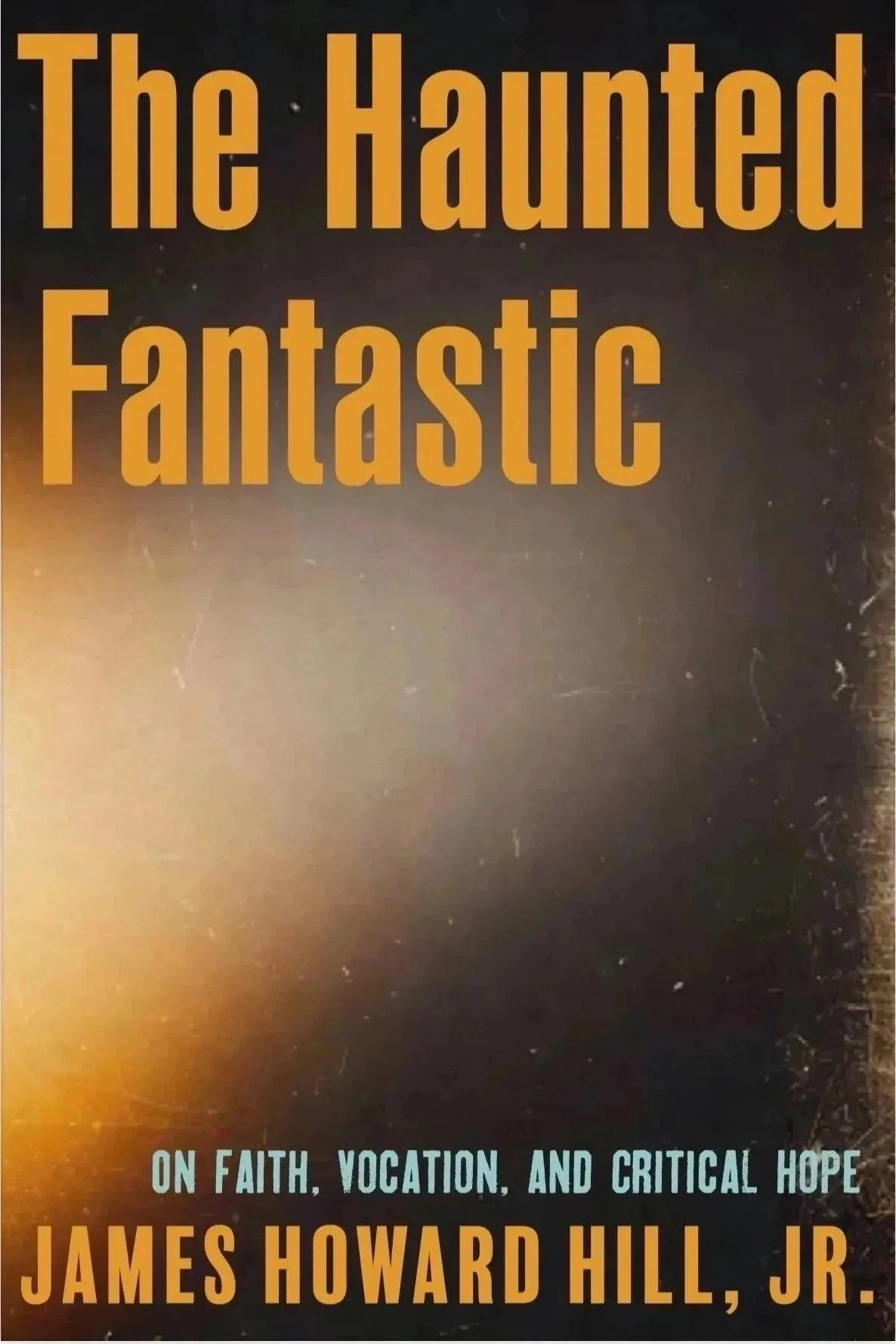
PRE-ORDER AVAILABLE NOW!
https://www.fortresspress.com/store/product/9798889831556/The-Haunted-Fantastic